Unintentional Injuries, Environmental Health, & Health Care

Chapters 13-15

For my final blog post, we will focus on unintentional  injuries, environmental health, and health care. As you may have guessed I will be applying these concepts (the best I can) to my health aspect and my career.

Chapter 13

13.11 really was important me. Injury from excessive noise can occur all around us. The diagram in this section was very powerful and very easy to understand. It represented different common equipment found in daily life and society and their varying noise levels.  Below I have broken down some aspects of my life that affect hearing…

Concerts

This summer I have and will be attending multiple concerts. I’m actually planned three concerts in three months  (plus three trips total in three months back-to-back). Concerts are categorized around 125dB while planes are 130 dB. (Granted I am inside the plane so I am not getting the full noise level, but it still should be mentioned plus the radiation). I have been told (by medical and ENT professionals) that going to even one concert that is loud (which all of them are) can cause hearing damage.  If you have ever been to a concert, you have definitely felt the fuzzy or blocked feeling in your ears walking out of a concert.

My Health Aspect

As I am still struggling with my health aspect, I have been aware of the level of noise of music. An MP3 player (which is usually my phone) at max can be roughly 107 dB. I never put my music that loud. At times to avoid hearing injury, I watch TV instead or play music directly from my nearby computer at a reasonable volume.
Photo by Breakingpic on Pexels.com

My hearing

For awhile now, since last December, I have been experiencing a ringing in one of my ears. It is not a high pitch noise that many people experience from time to time, it is more of a bell ringing in the distance. I only hear this bell sound when I am in a quiet room. It is very difficult to explain to be honest. Recently I have been hearing it less and less, which is great. When I go to bed now I use a fan or an air conditioner so it almost distracts the sound from me hearing it (if that makes any sense).  I have went to two different ENT doctors for opinions. The first doctor I found unhelpful. He pretty much told me that nothing is wrong and I just need to learn to live with it. A few weeks later I went to a different ENT in a whole different practice. I took different hearing tests and the results came out that I had perfect, normal hearing. It was very frustrating  to not have an explanation.

My Job
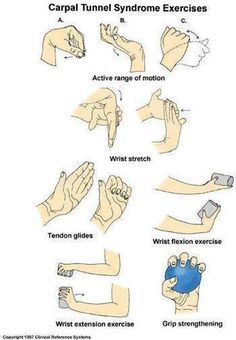
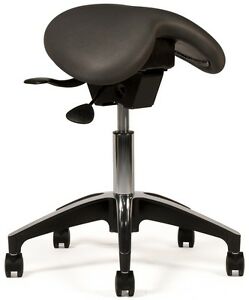
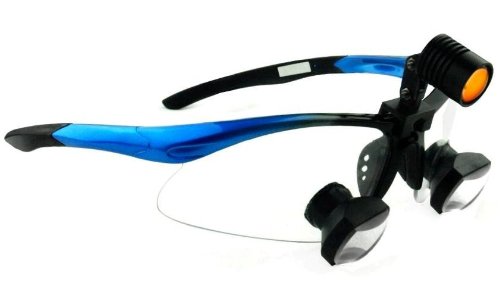
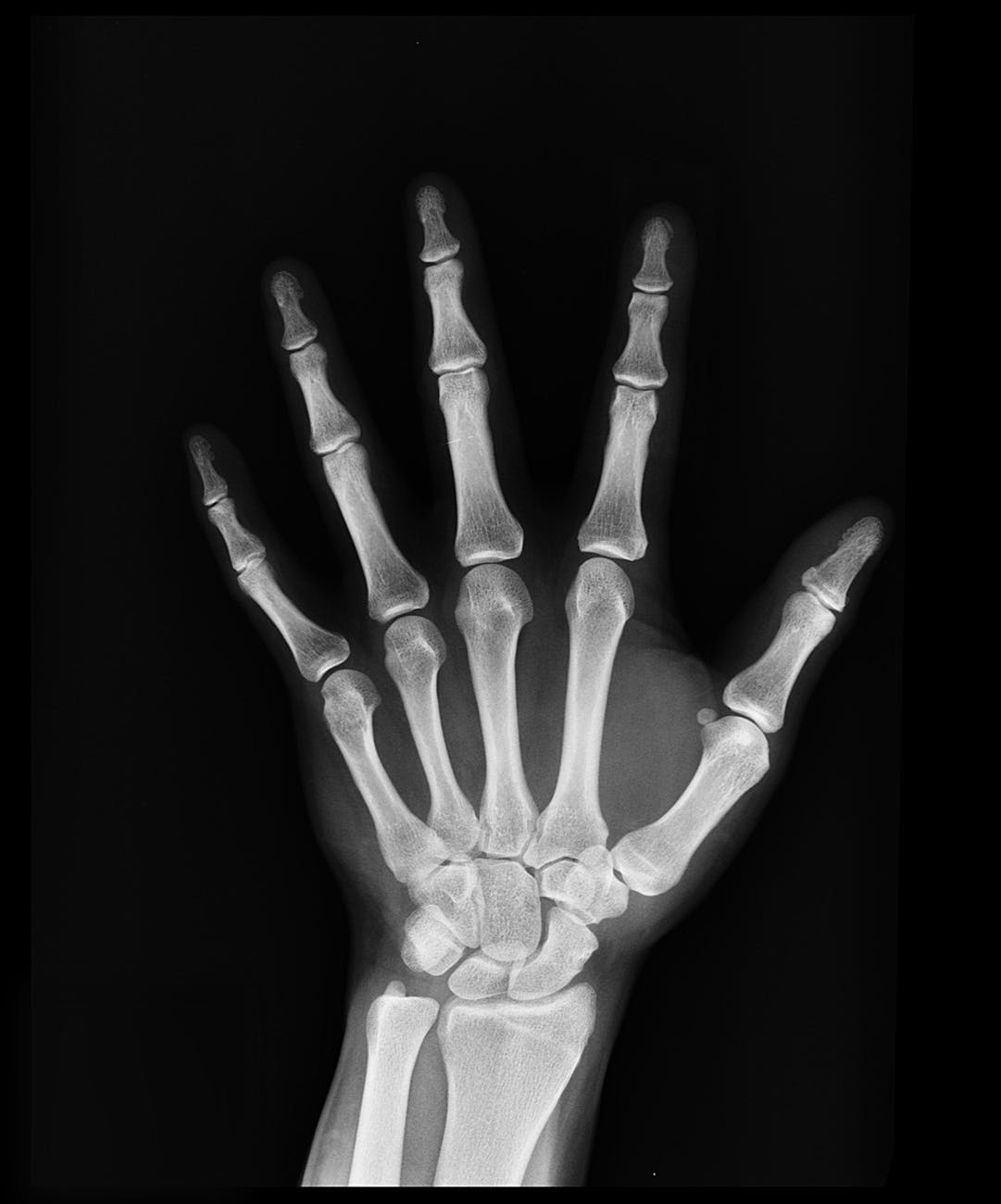
Dental hygiene does possess multiple physical risks and occupational/workplace injuries.  Many of the equipment I use each day at work does produce various noise levels. Some that I use commonly are ultrasonic bath (which is part of the sterilization process), ultrasonic cavitron or piezo (instrument that uses water and vibrations to help the debridement and removal of plaque and calculus (tarter)), suctions, and handpieces. All of these examples can produce between 70-100+ dB!  Another huge consideration going into dental hygiene is the possibility of carpal tunnel syndrome. Carpal tunnel syndrome (CTS) causes inflammation (and fluids) of the wrist and surrounding tissues. Dental professionals especially are at risk because of the repetitious motions in the hand and wrist. This is also is defined as repetitive motion disorders (RMDs).  I never knew there was a name for my repetitious motions. It makes a lot of sense. Bad habits in instrumentation directly correlate with injuries. Some common symptoms are numbness, tingling, and pain in the wrist/hand areas (Donatella, 2019). This is part of the reason I am getting my bachelors. It is a back up and safety net just in case in the future I experience CTS.  Stretching these areas are crucial in avoiding symptoms of CTS. In-between patients or at the end of the day I perform different recommended stretches and exercises for dental professionals. Even using stress balls or silly putty can also help.  Lastly, maintaining alignment while sitting. Part of my job involves me sitting when treating for patients (most of the time; occasionally I have to stand during treatment).  One of the basics of good dental hygiene practice is good ergonomics.  Feet must be flat of the floor, your chair and patient chair needs to be at the correct height so your arms are at neutral level, and sitting up straight. I have horrible posture already, which I am aware of and working on.  At the end of the day for awhile I notice my back hurt. For a few months now I have been more proactive with my posture. I have been looking into better dental chairs such as the recommended saddle stool/chair.  It pretty much focuses you to sit up straight. The one I prefer has a back support as well.  I have also been going monthly for maintenance at a chiropractor and get massages when I feel I need them. Lastly, I use these specialized dental glasses called loupes. Loupes have magnification lens and sometimes light to help with neck issues. It also stops the hygienists from bending themselves into awkward, uncomfortable neck/back positions.
So many risks of injuries for this dental hygienist!
Chapter 14

Mindfulness & Sustainability

The mindfulness concept has been a constant throughout this course. Like being mindful during our individual health aspects, we must also be mindful of the environment. Everyone MUST do their part to help with OUR environment. It takes everyone to make necessary changes and steps to improve our environment health and quality of Earth. Climate change exist and it is happening everyday! 14.8 gave me great suggestions on ways to be even more environmental mindful. (There it is again, MINDFULNESS!)
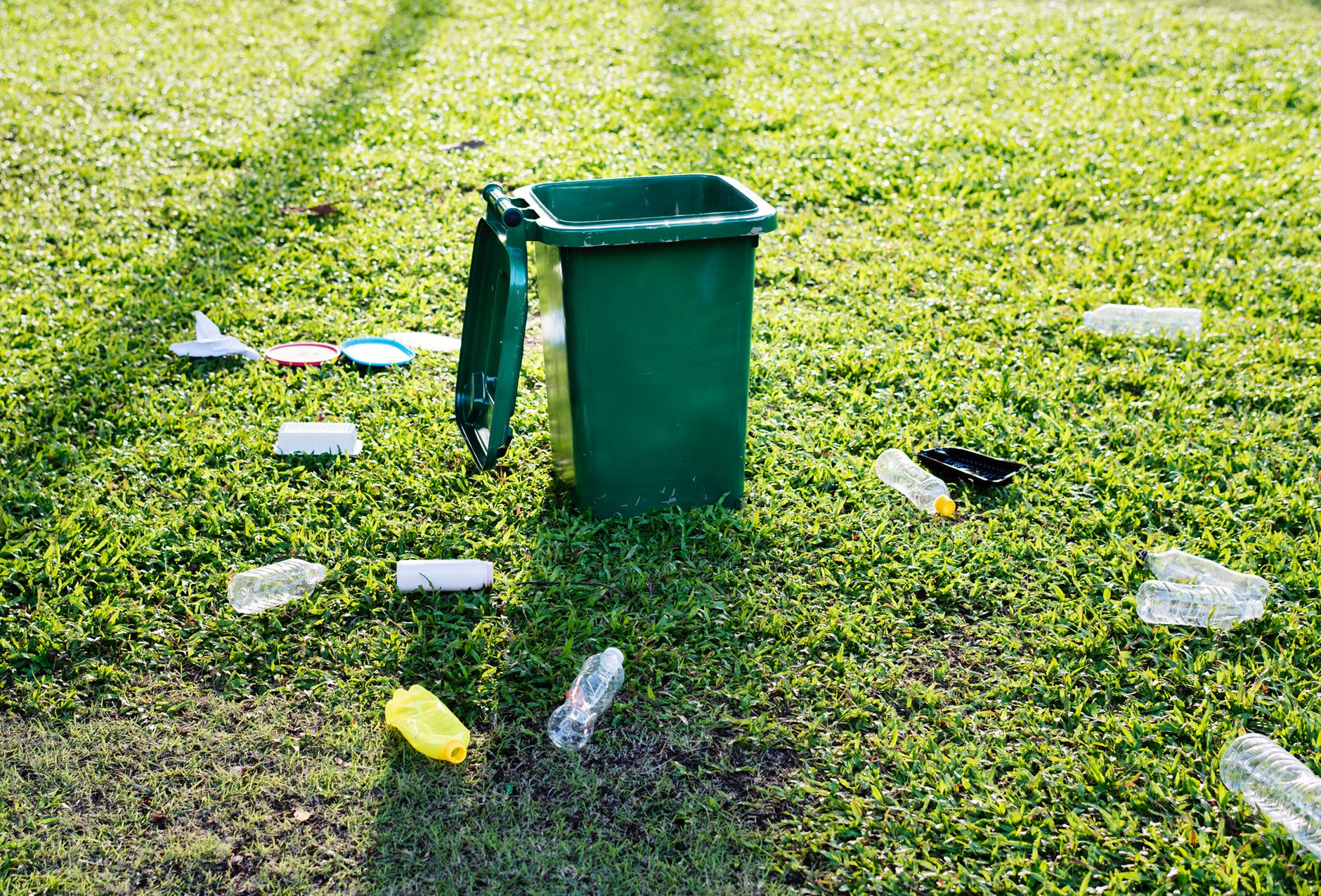
Photo by rawpixel.com on Pexels.com

At Home

One of the simplest things everyone can do is recycling. REDUCE, REUSE, RECYCLE! You must know that by now? Don’t you? More and more towns, like mine, have created a new recycling program. My town specifically, gave each resident a large recycling can type of bin with a top. Look for the recycling logo on thousands of items that can recycled. You must be aware to even look for the logo. Some others ways I can be more mindful in helping the environment is carpooling with family and friends to travel to events or activities, use public transportation rather than separate cars, and using ride share apps (Uber, Lyft). Walking, yes walking. Walking is fantastic for your health, it does not cost anything, it does not damage the air around you, and you also can enjoy your environment. I just came back from a work conference and all I did was walk  and use ride share apps (to and from the airport).  I actually walked a ton on my trip! When I got home, my legs were so sore! The only way I can relate this chapter to my health aspect could possibly replacing my exercise bike to a regular bike. I could run local errands on my bike and I would working on my health aspect at the same time! Riding bikes do not produce harmful flumes or damage the environment, which is a plus!

School : A Green Location
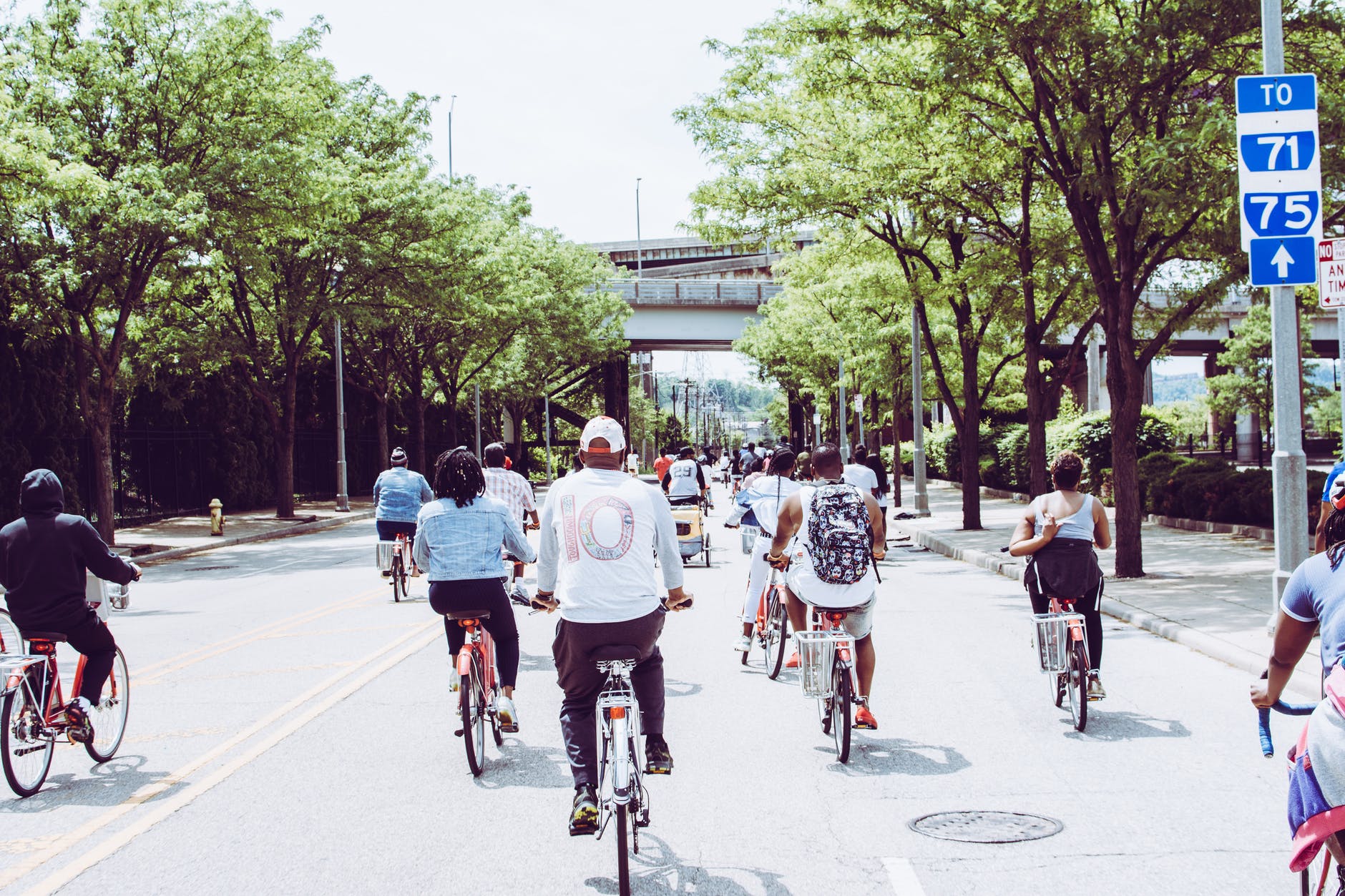
Photo by Ahshea1 Media on Pexels.com

Our school definitely does their part and is very mindful of our environment. There are waste and recycling bins all around campus. There is also bikes(bike sharing programs) around to help students travel across campus.  Parking lot have carpool parking spots as well. (My high school also had carpool and electric car spots).  Many courses are paper-free. This means the course does not use paper and most of the materials are online or found at other resources. PowerPoints, assignments, syllabi,  and other notes can be found or shared from Blackboard, email, or another online platform. Our summer course can be considered “green” because it is completely online. There is no need to print or use paper.

Another topic discussed in chapter fourteen was focused around water.  Water is huge component of the what Earth is composed of and let us not forget, us too! Avoid overusing water when needed is key to wasting less in the long run. As a hygienist, I will also support shutting the faucet off when brushing your teeth.  Major dental companies like Colgate, advertise and promote (with the use of celebrities, such as Michael Phelps) this concept. Conserve water until you actually need it. “Leaky faucets can waste more than 3,000 gallons of water each year (Donatelle, 2019).”  Even when I was little my mom also told me to not have the faucet running when I was brushing my teeth or washing my face.  I find that we definitely need to promote conservation of water to all ages, including young children. If they make this a habit now, it will be engraved in them later in life.

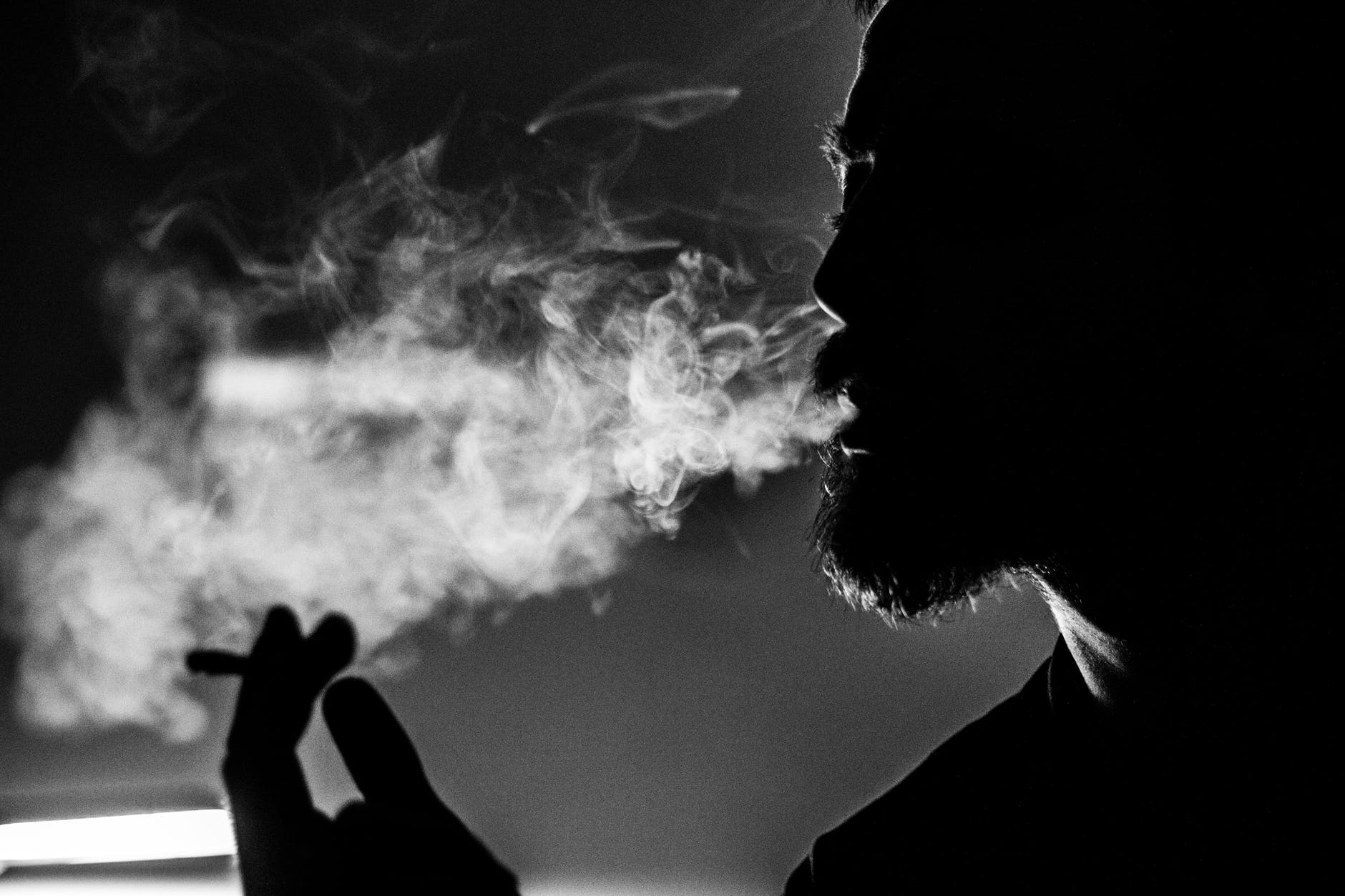
Last point I want to discuss in this chapter is indoor air pollution. Pollution can exist inside and outside. If you can recall, I am not a big fan of cigarette smoking, so you can probably see where this is going. Environmental Tobacco Smoke.  People smoking inside can be at time more dangerous than smoking outside for multiple reasons. Rather than just damaging their own lungs, they are exposing others inside with second hand smoke. Second hand smoke affects the air in the room and the health of the people in the room.  One thing that really stood out for me was “the air within homes can be 2 to 5 times more hazardous than outside air (Donatella, 2019).” This goes to show how important the air we breathe each day can affect our lives. Second hand smoke can also alter individuals with asthma. It can increase the risk for others to develop asthma.  This is an inflammatory condition, so can you imagine when the air you are breathing in is compromised?
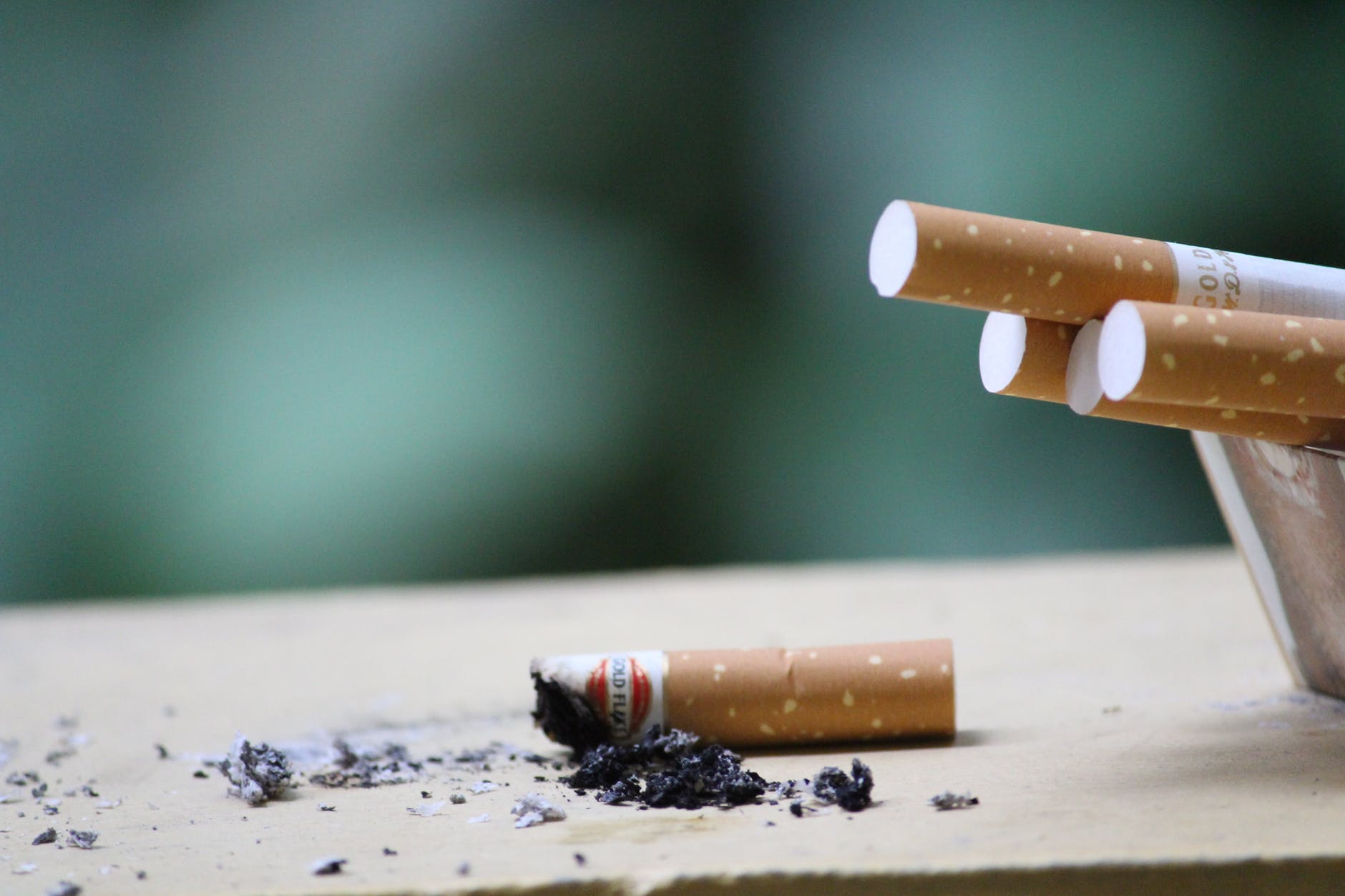
Photo by Basil MK on Pexels.com

Chapter 15

Photo by Breakingpic on Pexels.com

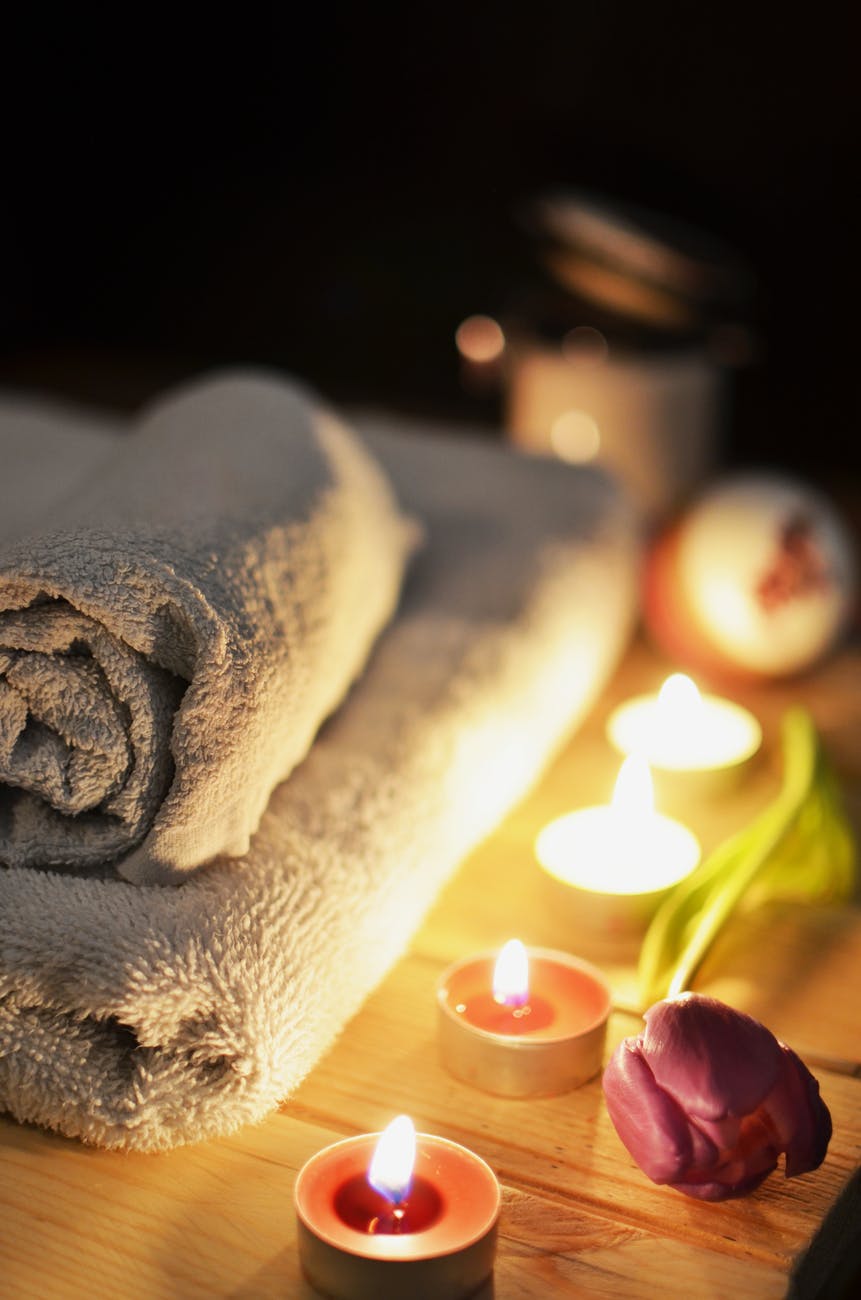
 First, mind and body practices: manipulative therapies. Recently, I have been being mindful, and listening to my body. My job, like I have previously mentioned, can cause aches and pains from time to time. To improve this, I have been going to a chiropractor and getting occasional massages when needed.  Chiropractic focuses on a few systems: muscular, skeletal, and nervous systems. For myself, I am focusing on my neck and spine (back). My chiropractor adjusts me and educates me on how I can improve my condition. I learned exercises and stretches that  I now implement when I am at work. I also think this is a great help when working on my health aspect. If I am feeling achy or having back pain, I most likely won’t be doing crunches (which would probably make things worse)or getting on a bike.  Massages on the other hand, I find beneficial for my physical and mental health. It is an opportunity for me to stop thinking for an hour, relax, and live in the exact moment. A majority of my massage time is working my soft tissues and muscles on my back. My upper back is usually the portion of my back that needs the most work, thanks to my profession. My massage therapist uses muscle relaxing oils to aid in healing as well. At times I can be slightly painful, but I find it worth it in the end.

Photo by Cedric Lim on Pexels.com

I have always struggled with yoga and meditation. The closest thing I get to meditation is when I am getting a facial or massage. I believe I struggle with this is because my mind is always thinking. It definitely is a skill and it does take time to figure out. This is also a component of being mindful as well. Yoga  especially is great for exercise and working your core. I should probably incorporate some yoga into my health aspect revolving around toning my stomach area.

Lastly, health professionals.  I do classified myself as one.  I feel like I am a good listener to my patients, I am qualified through education, licensure, and passed all my state, regional, and national boards (to become a hygienists, you must complete FOUR exams!).  I use my education and training each day to assess patient’s condition, implement necessary treatment, and make personalized recommendations (based on experience, observation, and evidence-based research).  On the other hand, I am also a patient.  Ironically, I hate going to the doctors. My primary care is such a nice woman, but I’ve hated going since I was very young. I go because I need to each year to make sure I am healthy (and get necessary vaccines and tests  for my profession).  I actually see a nurse practitioner (NPs). She was a nurse but then decide to continue her education.  She works under the doctor at this practice.  One important take away is being comfortable with your healthcare providers.  Even though I struggle going to the doctors, I am always honest with my provider. I even discuss my health aspect and what I am doing to reach my goals!
Photo by Pixabay on Pexels.com

References

Donatelle, R. J. (2019). My Health(3e ed.). New York City, NY: Pearson.
Chapters 10-12: Fitness, Cancer, CVD, & Infectious Diseases

Photo by Pixabay on Pexels.com

Chapter 10

Chapter ten was full of important concepts on fitness and being physical active the right way.  10.3 stood out to me because it focused on getting motivated and overcoming obstacles. As for my health aspect, I’m moving at snail speed.  The time I hoped would be filled with my health aspect, I am sitting at my computer working on the course work (working on Part Z of a one question). You may then ask what about the weekends? Sometimes I do have more time there, but I am doing other activities (still physical active),just  not on my health aspect. Some common obstacles I have experienced are lack of time and lack of motivation/will-power/energy. I am usually good with my organizational skills and time management, but lately I have a lot of my plate and mind of my things to-do.  The textbook suggests planning your workouts out ahead of time, which I do. I have it on my phone’s calendar each day when I come home from work. This week again will be difficult because I am going to a conference. (That is why I am posting this early).  Granted, I’ll be on my feet and walking a lot of this work trip.  I did like the idea of getting things ready for yourself before you actually exercise. It sets you up for success. I have my exercise bike right near my computer and when I come downstairs I see it from across the living room each day. 10.4 describes different, common fitness equipment. My health aspect is centered towards using my own stationary bike.  This form of equipment focuses on the lower body with many different settings.  10.9 Developing and staying motivated with a mindful fitness plan. This section provided great insight that can help me working through my health aspect. My existing plan was working myself slowly up with the frequent/amount of time on my bike, which correlates with “developing a progressive plan.” I started out on the bike for fifteen minutes then the following week was twenty minutes (and so on). During this I would add a set of crunches and other leg/abs exercises, which could be seen as cool-downs. The book reminded me that goals take time to complete. It is difficult to  be patient with yourself and keep following the plan. Sometimes I have to mix my routine up to remain motivated as well.  The key is to “make it enjoyable” as much as you can.

Photo by Timothy on Pexels.com

10.15 discusses smart shopping for fitness. This means where you may go to work out.  I have previously said I am not a fan of the gym environment. I never have liked this environment but many of my family members go daily/weekly.  The three key points (choosing facilities, buying equipment, and buying exercise clothing) in this section stood out to me because I am able to discuss what I recently learned with my family. Are they at the best place for their daily fitness? In regards to choosing a facility, are they close to home or work? How much is it monthly? When are they open? Is the facility, locker room, and equipment clean and up to your own personal standards? Would you be comfortable there? These questions are critical in choosing a gym because if you answered ‘no’ to most of these, that location probably won’t work for you. This is also means it can be an excuse to not work out. “Ah, I can’t go to the gym because its closed or too far away.”  Feeling comfortable in a gym environment, whether you are with a friend or by yourself, is extremely important in my book. My younger sister goes to the gym by herself a lot and sometimes it’s very late at night. The location is very convenient (close by), clean, the staff is professional, and the hours work for her.

Photo by Skitterphoto on Pexels.com

Now, buying clothes and equipment.  Prior to buying my bike, I did thorough research on which one to purchase. Some of the things I had to consider were cost, warranties, functionality, and size.  I really did not focus on reviews and testimonials but I did read for reference. You definitely do not want to impulse buy fitness equipment. You get what you pay for. If it’s not great equipment, you will figure that out quick and eventually won’t even use it.  My sister loves shopping, especially for work out clothing. Choosing clothes that are comfortable when exercising is important because it won’t distract you. I hope my sister chooses comfort rather than style. Many fitness clothing companies does do a great job combining  the two. You must also consider what workouts and equipment you will be using with certain fitness clothing.

Chapter 11

Photo by Pixabay on Pexels.com

After reading this chapter, the word ‘cancer’ stood, which is probably what you also felt. Many of us know someone who had or has some type of cancer.  It seems like news reports are always mentioning another thing that causes cancer. Some important risk factors for cancer are lifestyles, personal habits (like smoking), stress, genetics, and occupational / environmental hazards.  As we all know that not all of these factors are towards one specific cancer. We also know what certain risks are centered towards specific cancers. For example, smoking is connected to a higher chance of lung and respiratory systems cancer. Electric cigarettes possess flavored chemicals that are known to produce carcinogens vapors that users inhale. Regarding occupational hazards, personally, I work with low doses of radiation because in dentistry we take radiographs. Radiographs are crucial in diagnosing cavities, infections, and periodontal disease.  To lower the risk of exposure, there are many different requirements  we must follow, such as the distance from the exposure button we press to the actually machine (it is a certain amount of feet, sometimes we must stand behind a secure wall or door), the size of the cone influences exposure (it can be a circle cone or a square cone), and the distance and angle the dental professional is from the cone. The thyroid is one of the two most susceptible according to the textbook. For patient’s safety, we place a lead apron on them and do not overexpose (take more x-rays) than needed.  When taking patient bitewings, full mouth series,  and PA’s (individual x-ray shots for specific teeth) a lead apron with a thyroid collar is worn. Usually radiographs can be taken every 1-2 years  (depending on their dental history). Individuals who have a higher risk of cavities or periodontal disease may need radiographs done (more frequently )every year to continue to monitor the disease progression. Digital dental radiographs produce even less radiation exposure compared to the manual film radiographs.  For the dental professionals, they can wear a radiation badge to monitor how much radiation they are being exposed to. One of the other hygienists I work with has been working for twenty-nine years and she has never been over the recommended dose.

Photo by freestocks.org on Pexels.com

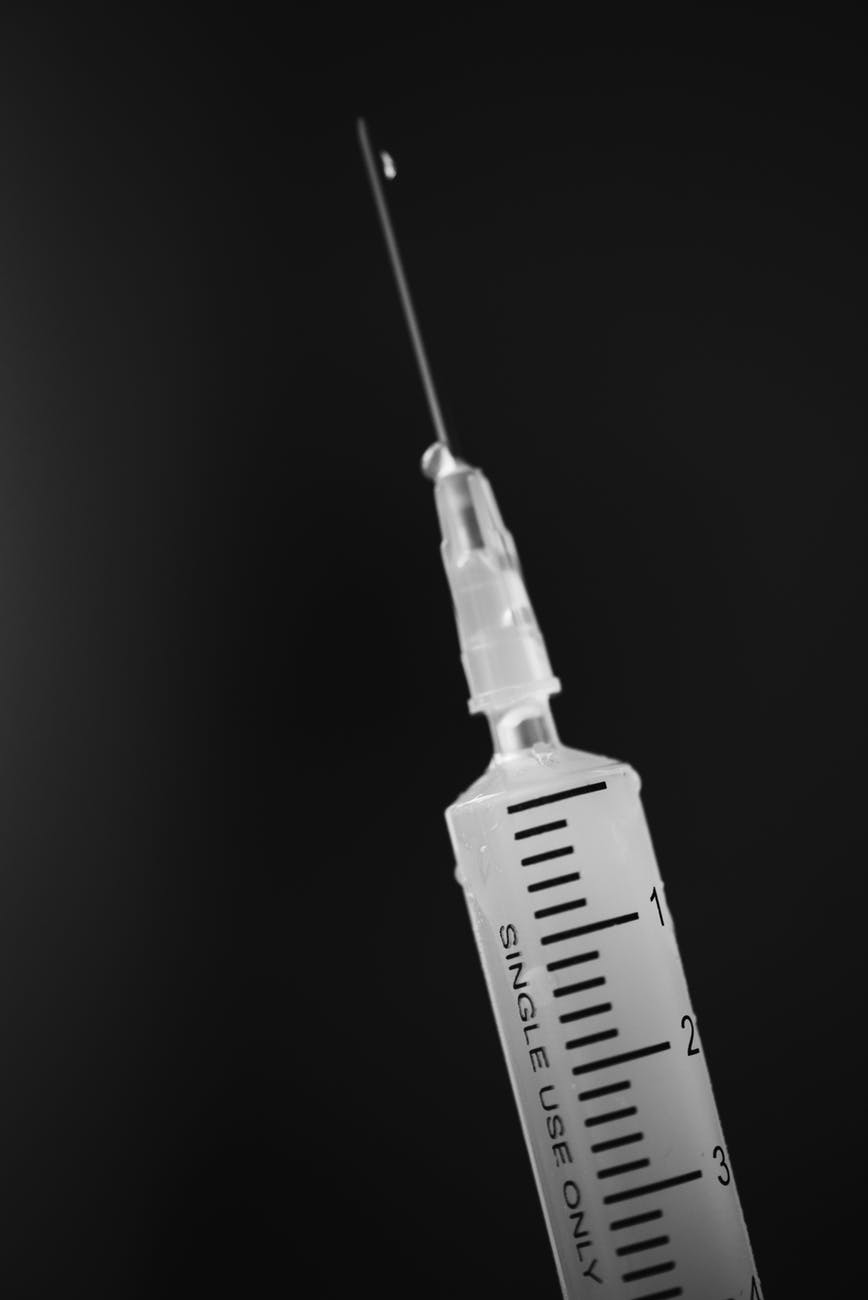
After reading about cancer risk factors and radiation, angina pectoris stood out to me. This form of CVD involves the coronary arteries. This stood out to me because it was one of the first medical emergencies situations I learned about in dental hygiene school.  It is the most common dental emergency in my field. Angina is pain experienced in the chest. It is not a heart attack but it is associated with heart disease. In my case, in a dental office, there are a few ways to help a patient in an angina medical emergency. You can either have the patient in a semi-supine chair position or upright. The use of oxygen or nitroglycerine  can also be used. If nothing works (after a second dose of nitroglycerine), call 911/EMS.  Nitroglycerine helps improves blood flood back to the heart.  

Chapter 12

Because I work in the health field, I have the possibility of being exposed to many different infections, bacteria, viruses, and other health conditions.  Each year or so, I get a TB test done, which is usually a requirement for health workers. For this test, two visits are required. One day for the actually test and a few days after to get the test “read”/checked by medical personnel.  They are looking for swelling, inflammation, a spread of bumps, etc on the skin.  Tuberculosis, also known as TB, affects the respiratory system, the lungs. This is very infectious, and individuals who have active TB should not be getting dental work done and being on medication for almost a year. I have seen patients who had a history with a form of TB but they were active.  Some major symptoms of TB are coughing and coughing up blood.  

Photo by rawpixel.com on Pexels.com

I have also received the MMR (mumps, measles, and rubella) vaccine as a child. This trio involves inflammation of the parotid glands (mumps), viral disease causing full body rashes  and fever (measles), and a milder version of measles on upper extremities (rubella). As many of you know, that there are new outbreaks of measles occurring all around the country.  This is due to parent’s not  vaccinating their children. This is a huge debate today. Heck,there was even an episode about this on Law & Order: SUV. I really do not want to go in depth with this vaccination debate (it can be a entire blog post by itself).  Just to summarize, people who choose not to vaccinate believe the risks outweigh the benefits. They also believe it is a family choice and some vaccinations can cause lifetime health condition such as autism . Many health departments and schools (at all levels) do require certain vaccinations prior to attending or continuing into a new grade. All three of these infections  can be very dangerous, life threatening, and can have life longing health consequences such as sterility in men (mumps), neurological disorders (rubella), and encephalitis (measles).

Lastly, herpes. When you think of herpes, you think of the worst of the worst  images. Herpes simplex 2  is a sexually transmitted infection (STIs). There are actually many different forms of herpes. For example, herpes simplex  1 (HSV-1) are cold sores. These cold sores can vary in color, texture, and size. They may also change appearance over a few days.  Most people have  been exposed to herpes simplex one. Once someone has herpes, it remains in the body. There is no cure as of now.  Sometimes stress, sun exposure, and other sickness awaken herpes simplex (cold sores). There are also over the counter medication you can use to lessen the cold sore (reduce/relieve  inflammation, redness, and pain).  It is also recommended not to get a dental cleaning with core sores because it may lead to the spread of more cold sores around or in the mouth.  

References

Donatelle, R. J. (2019). My Health(3e ed.). New York City, NY: Pearson.

Published 6/19/19 11:56AM

Chapters 7-9: Tobacco, Nutrition, & Body Image

Chapter 7

                Chapter seven focused on alcohol and forms of tobacco, both seen commonly in our society. Although both are legal drugs, their effects on the human body can be very harmful. Both can also be very addictive. I have to be honest, I cannot stand smoking especially tobacco /cigarettes. As a dental hygienist, I have seen many consequences of tobacco use. Patients believe they can hide behind mouthwash or not smoking prior to an appointment. We can still tell.

            We should be reminded about the basics of tobacco, nicotine. Nicotine is the addictive ingredient to tobacco products. Nicotine is a schedule II stimulant drug. This drug stimulates the brain and can alter one’s brain development, decision-making, and impulse control.

Photo by Petar Starčević on Pexels.com

                I have seen patients smoking outside and then walk into their appointment.  That means, I get the second hand effects and get to smell the thousands of cigarettes they smoked prior (about six months worth plus). Some of the oral consequences I will commonly find are dry mouth/tongue, staining, yellowing of the teeth, tooth decay (cavities),  and different stages of periodontal (gum) disease. For individual that use chewing tobacco and snuff, there is a high probability that leukoplakia, white hyperkeratinized tissues lesions,  exists in the mouth.  Some of the most common places I have seen it in patient’s mouths are cheeks, behind their back molars (posterior teeth areas also known as retromolar regions), and the tissue infront of the lower right teeth where the lips cover the area.  When I notice this, I have to inform the patient because there is always a chance of oral cancer to develop over time. Most of the patients are aware of the white lesions already.

Photo by rawpixel.com on Pexels.com

                Besides the oral health effects of smoking some other consequences are excess wrinkling, increase of heart disease, stroke, other cancers like lung cancer, and irritation to throat/airways.  On the other hand, there are also many treatment options. Smoking cessation and medication are two of the most used treatment options for smokers. You can probably turn on your TV and see at least one commercial regarding a nicotine replacement product.

Photo by Isabella Mendes on Pexels.com

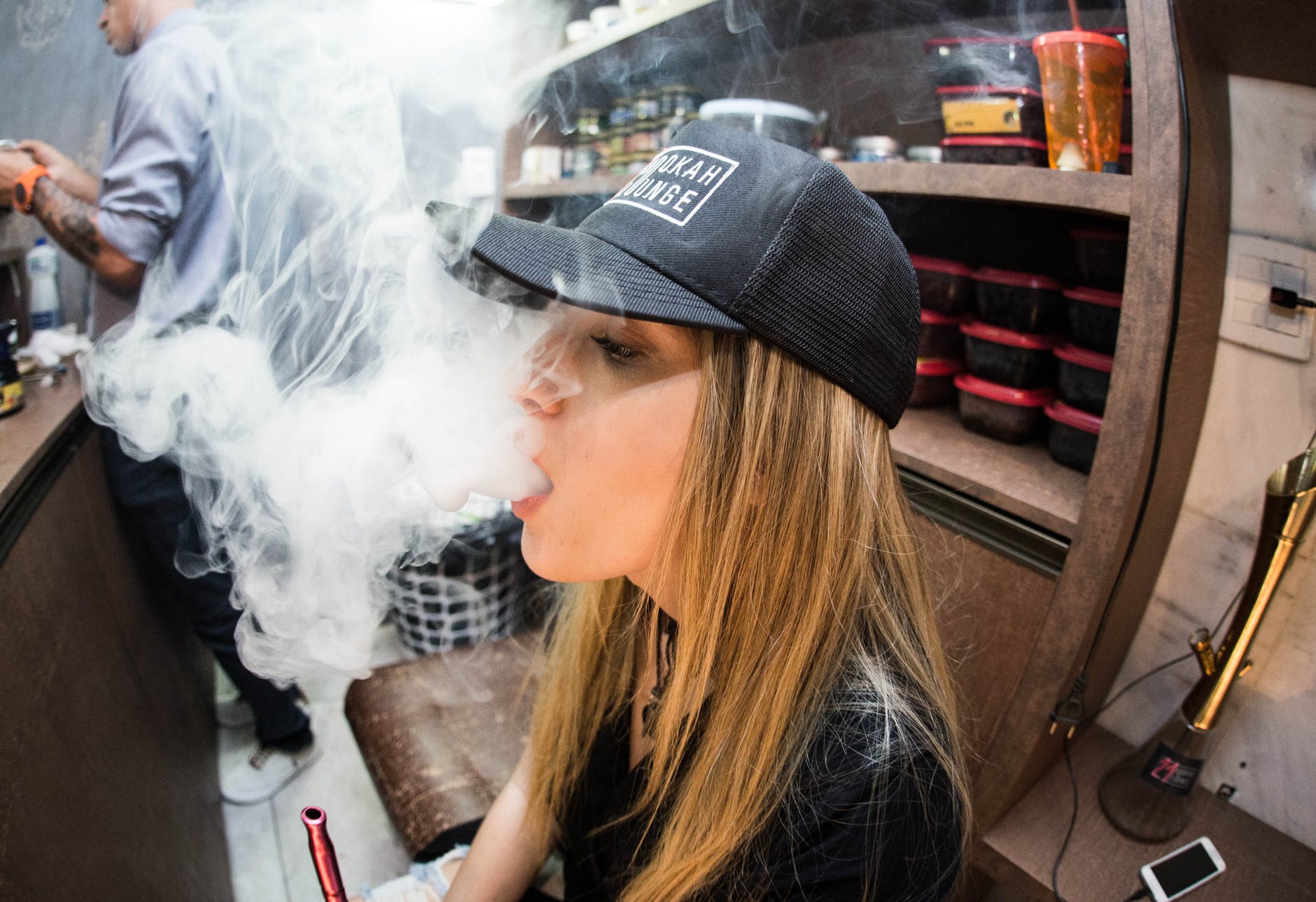
                 It is also important to note that the use of electric cigarettes (e-cigs) are not a treatment option, rather than replacing a habit with another one. Some e-cigs possess nicotine, marijuana, and or flavored chemicals. E-cigarettes have many common names such E-cigs, Vape Pens, Vape Sticks, E-hookah, and Vape Pipes. Other names for using an e-cig is vaping or jeweling (based on one of the well-known e-cigarette companies, Juul.) It is a new social trend among teens and young adults with help from the many different colors, flavors, and smoking tricks involved. When someone starts to vape, the vape heats up the chemicals which then produces a carcinogen (known to cause cancer) called formaldehyde. Because vaping is such a new health behavior and the variety of vaping flavors is numerous (8000 types of flavors), the long term health effects are still unknown Researchers do know that the butter type flavors possess diacetyl, which is known to cause “popcorn lung”, also known as bronchiolitis obliterans. Bronchiolitis obliterans is an irreversible lung scarring and destroys the lung tissues (Geff, 2017).  The strawberry and other fruit flavors are cytotoix which also can possibly cause cancer.  Along with the flavors, there is a  part of the e-cigarette, the lithium battery, that also can be hazardous. This battery does have a chance to explode and burn the person with its contents. Because of this hazard, they are  banned on airplane.  E-cigs  have also exploded in users mouth and hands causing serious injuries.

Chapter Eight

Photo by Pixabay on Pexels.com

I have been exposed to many lessons and courses about nutrition and I find it very repetitive (and at times boring). I understand the need to know about nutrition and what we consume each and every day, but I am not a fan of learning the chemical makeup of fats, carbs, and proteins. The only ways I can connect to this section is (1) dental hygiene and (2) myself. Back in dental hygiene school, one of our required competencies was nutritional counseling with one of our many patients. To complete this competency, I had my patient keep a log for about a week of all the foods and drinks they consumed. At the next appointment we would review the log and have a detailed discussion on the findings. I would also provide resources such as MyPlate.com. My Plate replaced the classic, well known food pyramid. It is recommended to have half of your plate be fruits and vegetables, the other half grains and protein, with some dairy.

Photo by Pixabay on Pexels.com

            We are our own worst critics. Aren’t we? When I first started my health aspect journey, I wanted to go all in on other aspects of my health. This meant what I eat each day. I do have to say I feel I eat pretty well. I rarely snack all day and drink water as much as I can (including with all my meals).  I definitely balance the good and the bad foods. I also rarely finish a meal when I go out to eat. This usually means leftovers and eating it for another meal.  For purposes of my health aspect, I wanted to track everything I consumed. I used a fitness/nutrition app for awhile. I found most of the time I did not meet or go over my calorie limit per day. One of the recommendations I connected with was mindful eating, which means being aware of what we consume. We shouldn’t eat because we are bored. Having a strict schedule of times to eat and then have an end point (such as no eating after 8pm). Our textbook recommends us to slow down, which can be hard in this fast pace world we live in. We have busy lives and schedules. We grab and eat what we can. That is why fast food chains are successful. They provide food when we have no time to prepare and cook.  

            I believe mindful eating can aid in my success of my health aspect goals because it is just being more conscious on what I put in my body. We aren’t perfect and we deserve some dessert once in awhile. I love dessert and it’s okay in moderation. I don’t plan having chocolate cake every day. It would be nice, but I won’t. Some other suggestions I will be aware of are the colors on my plate, choosing foods I already enjoy, and slow down when eating. I do have to say, I eat pretty fast but it makes me fuller faster so I don’t eat as much. I also believe I know when to stop eating. I rarely feel so stuffed it hurts.

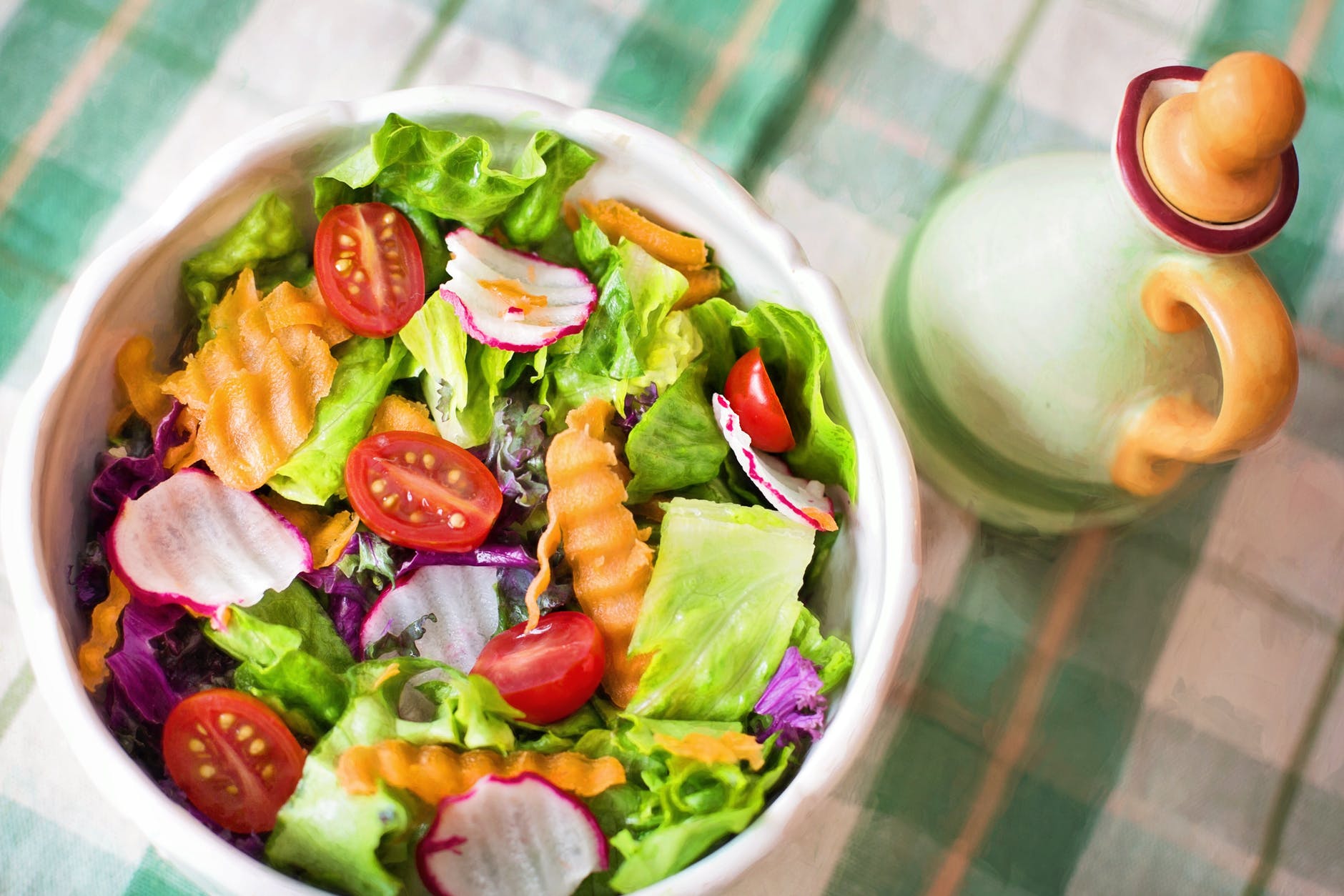
            On a regular work day working through my health aspect goals, I’ve been having Carnation instant breakfast drink (I have been drinking these for many years now for breakfast because I struggle to eat in the morning when I have work, school, or an early morning event.). For lunch, I usually make some sort of salad (granted my salad dressing choices probably aren’t the greatest, but I do not over do it. Some of my go-to’s are Panera balsamic, honey mustard, or French). For dinner, I have some form of protein and vegetable (and occasionally another small side).

Photo by Pixabay on Pexels.com

Chapter Nine

            Eating habits continue into chapter nine. Once again, a reoccurring theme, mindfulness.  One important concept is being aware of your eating triggers.  Each person’s triggers are different. Some people may eat more or unhealthier food options when they are stressed or upset. Our textbook reminds us to understand our triggers it is important to know the when, what, where, and how. Personally, the highest chance of me eating differently, eating more, or picking different food options than normal is when I am not at work and on vacation. Like I mentioned previously, I feel like I am pretty good at balancing the good and bad.

            Another topic that stood out to me was understanding and improving body image. This is a tough topic.  We aren’t perfect, so we may point out our own flaws. We may not be a fan of something about ourselves or a body part.  Not only women have concerns or issues with body image.  There are many physical appearance stereotypes men are faced with. Are they strong enough with muscles? Are they too skinny (which is interpreted as weak)?  Society and medias definitely have created these false images of what we should all look like. I have witness family and friends mention their concerns on how they look. This shows you are not alone. Myself included. I definitely would not define myself as overweight. I chose my health aspect to focus on toning my stomach area to help me continue to improve upon myself. I believe this will also improve the way I see myself. Right now, I picture myself a certain way and I need to achieve it. I also believe my perception  of what I look like is skewed compare to how others see me. I am probably exaggerating in my head, which I tend to do. Overthinking.  I am trying to catch myself when thinking negatively and stop it in my tracks (mindfulness again!). We are human, we have bad days, but it does not mean we have to feel sorry about ourselves. Tomorrow is a new day, a fresh start.

Photo by Ismael Sanchez on Pexels.com

            The last concept that stood out to me in chapter nine was the eating disorders anorexia nervosa and bulimia nervosa. In dental hygiene school, we learned about different conditions that alter the body, the mouth, and oral health of an individual. I also witnessed some of my patients who had these disorders during my first year as a dental hygienist. Some of the bodily  effects of anorexia nervosa are dizziness, poor sleep, decrease immune function, and low blood pressure. Tooth erosion (which can then lead to teeth sensitivity), periodontal disease, cavities, inflamed throat/esophagus and glands are some tell-tale effects of bulimia.  Some recommendations as a dental hygienist I would give individuals would be do not brush your teeth with toothpaste after purging.  The toothpaste may irritate the tissues and tongue. Brushing with toothpaste just moves around the acid from purging onto other areas in the mouth and teeth. You may rinse and brush with water only. The purging increases the pH (to a more acidic pH) in the mouth, which is the best environment for decay (caries or cavities) to develop. Some important steps to overcoming these disorders is communicating. Talk to someone you trust like a family member or friend. Speak to your doctor, a medical professional, or a specialist. It is important to understand the health effects of these disorders to avoid medical emergencies and create personalized recommendations for those individuals.

Photo by LinkedIn Sales Navigator on Pexels.com

References

Donatelle, R. J. (2019). My Health(3e ed.). New York City, NY: Pearson.

Geff, D., School of Medicine UCLA. (2017, August 23). Electronic Cigarettes and Vaping. Retrieved from https://www.youtube.com/watch?v=9dZS_Rniak0

Chapters 4-6: Mindful Communication & Mindfulness-Based Relapse Prevention

Photo by rawpixel.com on Pexels.com

For this week’s chapters, I have decided to focus on different concepts involving mindfulness. As we learned last week, mindfulness is being present, being aware, and thought out (conscious) communication. I found this chapter very difficult to apply my health aspect to sexuality, reproduction, and addiction.

One key concept mentioned in chapter four was mindful listening and nonverbal skills. As a dental professional, different forms of communication are necessary when treating different patients each day.  I believe everyone can continue to improve on their communication skills. Our textbook discusses being present in the moment, once again, mindfulness. Another technique to become a better listener is asking for clarification where needed. I feel like I do that all the time. I always make sure I understand what the speaker is saying correctly. Without getting clarification, communication can make a wrong turn, cause confusion, and result in the wrong idea. Nonverbal communication involves body language and facial expressions. Once again, this is very important in my job because I am wearing a mask for the majority of appointment. So this means I have to be aware of how I am being portrayed (such as my eyes; not rolling my eyes, and my tone when speaking, etc). Some other examples of nonverbal communication are nodding and smiling. When a person nods you know that they are agreeing with something. When you smile, you are happy and presenting that to others.

When you think of mindfulness, you may think of communicating with others, but you also want to be mindful of yourself. What I mean is, be aware of you! Be aware of how you are feeling. At this moment as I am working towards my health aspect goals, I find myself struggling starting the new routine I created for myself. I am fighting against time and myself. The difficult thing about this situation, is that I am aware of what I am doing. As I write this blog post, in the back of my head I have a list of things to do (what I need to get done/accomplish). One thing that is always on my list on my phone is “exercise/stretches.” I find myself postponing this and moving it to the next day. Using what I know about being mindful and being aware, I should not be too hard on myself. I am not saying to validate delaying the health aspect, but cut myself some slack. I am extremely busy right now in my life. I am working full time as a dental hygienist, which possesses its own issues that then causes stress (that’s a whole story I’m not going into), completing this course, my personal life, and trying to make time for things I enjoy. In addition, I am also starting another job as a part-time educator at a local dental hygiene school. Through all of this, I need to be conscious of how I am feeling physically, mentally, and emotionally.

Photo by rawpixel.com on Pexels.com

Another concept I experience frequently is how certain types of patients (people) communicate. Everyone does not communicate the same way (which we must be mindful about). This also means respecting what each other say, even though we may disagree. Sometimes personalities clash. In chapter 4.6 (Understanding Gender Differences), our textbook reports that different genders communicate (verbally and nonverbally) differently. Think about a few people you know (family, friends, peers, fellow workers) and see on a regular basis. What is their communication style? Do they use any gestures? Do they speak with their hands too much? Is there eye contact when speaking?  I bet you can think of someone that speaks with too many hand motions or they are all over the place. Certain genders are prone to certain tendencies. For example, women’s body language when communicating involves leaning forward when listening or being more expressive with emotions/feelings . Women tend to lean forward to connect more and make sure they are communicating well. They are also representing that are listening carefully. Whereas, men frown more often, avoid eye contact more, and gesture away from the body. Men are more strict with their communication styles. With some patients I see, they are harder to read. I attempt to read them and figure out how they are feeling. I question if I am not communicating (nonverbally) in a positive way. Maybe I am trying too hard, in this case, to be mindful of my patients. Sometimes I won’t figure it how the patient felt until the end of appointment when the patient says  I did a great job and thank you.

Photo by Jopwell x PGA on Pexels.com

I can relate mindfulness with chapter five as well. Chapter 5.9 specifically, focuses on “choosing a method of contraception.” There are many options for an individual to choose from. You must be aware of what option or method works best for you and which one you are comfortable with. This can be a crucial choice that can affect one’s life. Certain options such as birth control, does possess side effects. Although these side effects can be minor, it can change a person’s routine. You also need to be mindful of how you work. What I mean is, are you a person that remembers to take a pill every day or are you sometimes forgetful? There are a lot of factors and variables to consider when choosing the best contraception option. Some variables can be cost, STI prevention, comfort, religious beliefs, and health conditions. It takes two to tango, so both parties should be involved. Both people are responsible. You also should figure out what method is comfortable for your partner. Some behavioral methods to consider are abstinence or fertility awareness methods (FAMs).

Next, planning a pregnancy. Again, you must be mindful and aware of yourself and your partner. When is it the best time to have a baby? Are you ready? Is your partner ready? Are you in-between jobs or finances tight at the moment? This may not be the best time for additional stress. Additional stress can be harmful to your health (and to a baby). This is a huge step for you and your partner. You both need to have open communication about this topic. You must be on the same page.

Changing gears, chapter six involves addiction and mindfulness-based relapse prevention. First, we must define what that term really means. According to Donatelle, mindfulness-based relapse prevention (MRBP) “focuses on the two major predicators of relapse: negative emotions and craving (Donatelle, 2019).” This is also a form group after care program (usually eight sessions).  This form of treatment does not work fort everyone. An individual needs to understand how they work and succeed the best. Rather than receiving help in a group setting, maybe they choose an one-on-one with a professional who deals with addiction, such as a therapist. In this specific addiction example, individuals may be at different stages of treatment. Others in the group must be mindful so each person can get the most out of the addiction recovery program.  When you hear the word ‘addiction’, what do you think of first? Honestly, I think of a person who has a long history of drug use. Addiction can include many aspects other than drugs and alcohol. It does not have to be something illegal or severe. Some individuals are addicted to coffee, shopping, or exercising. I mention this because an important principle in MRBP is being aware of our own triggers and cravings. What type of situations or environments are you more likely to fall back to bad habits (addictions)? It is important that “by increasing emotional awareness, redefining how one responds to triggers for relapse such as boredom, and developing coping skills (Donatelle, 2019).” I can relate to this concept (falling back to bad habits) when I am trying to start my new exercise routine. I fall back on the idea of having way too much on my plate (my to-do list) to work on my health aspect. I haven’t prioritized it high enough on my list, which is now leaning towards the contemplation and preparation stages (in the Stages of Change Theory/Model).

Photo by rawpixel.com on Pexels.com

References

Donatelle, R. J. (2019). My Health(3e ed.). New York City, NY: Pearson.
Published 6/6/19 8:05 PM

Edited 6/13/19 7:53 PM

Chapters 1-3: Different Types of Health & Stress

Photo by Miguel Á. Padriñán on Pexels.com

Chapter One

Photo by Pixabay on Pexels.com

Chapter one introduces some important concepts such as different types of healthmindfulness, and the different stages of change. I wanted to focus on social health, which is having different forms of relationships with others and groups. This involves our families, friends, co-workers, classmates, peers, and others in society. As a child I was very shy. I had my friends but I was nervous in new social situations. It wasn’t until dental hygiene school where I felt I had greatly  improved my communication skills and public speaking. I am grateful of how close my dental hygiene class is still today. Now a dental professional for a few years, I have had opportunities to speak with new patients everyday and work closely with my professional association. I even go back to my dental hygiene program to speak with the students a few times a year.  Being involved in many aspects of my profession/career, I have been exposed to more social situations, networked, and met  other professionals.

In regards to my health aspect, I will be focusing on my physical health  in two ways: (1) the physical goals I am pursuing and (2) adjusting my daily routine (which can also be associated with psychological/intellectual).

Photo by Pixabay on Pexels.com

A previous class I took spoke about the importance of mindfulness. This means being aware of your communication and it being purposeful. Mindless communication is communicating without reason, almost like generic conversation (Ex: How are you? I’m good, how are you?). There really isn’t meaning or substance to it. At times these skills can be difficult as well.  I can apply being mindful by being in the moment more. I will try not to over think my routine/schedule too far in advance.  Take it day by day. I also needs to cut myself some slack if I break my routine (avoid making myself feel guilty).

My entire major, Health Studies, focused on the different models of change and its stages. For my health aspect, I would have to say I am in mixed territory. I am definitely in preparation and action. I’ve started to change prior to this class but hope to continue (and improve) passed action into maintenance. I have previously mentioned that my plan was to work myself up with my health aspect. When using my exercise bike, I started out small (in terms of amount of time on the bike). I have also tracked the frequency and time amount on my phone.

Chapter Two

I found Chapter 2.4 very important, personally. Our textbook mentions many different strategies to enhance psychological health. I also feel like I have used these strategies before such as developing a support system, completing needed tasks the best I can, making time for myself, creating realistic expectations, analyzing problems and asking for help when needed, and getting needed sleep.  

Photo by rawpixel.com on Pexels.com

To help me with my health aspect, I have a great support system. My family. They are all trying to improve on themselves in their specific goals. Other examples of different support systems are friends, classmates, or communities. Today, we have the advantage of reaching and communicating with so many others because of different medias  such as social media. One example I can think of are different Facebook groups you may be involved in. You may be in a group with friends, other classes, jobs, or sharing similar ideas/hobbies.

Next, I think I am very proficient in making time for myself. I try to make plans for myself to look forward to something.  For example, I just came back from my vacation. I was looking forward to that all last semester.  Now I am back to work and looking forward to a few summer concerts and a few mini trips. Those examples are more longer in wait times. I also have things planned like going to the movies, day trips, or just going out with friends.

Sleep is sometimes an issue for me. I try to go to bed around the same time, especially when I have work in the morning. On my days off or weekends, I go to bed when I am tired.  Our textbook reports “sleep on a daily basis is a key factor in physical and psychological health (Donatelle, 2019).” Sometimes I have difficulty falling asleep due to too much thinking or something may be coming up during the week I may be worried about.  When working towards my health goals, I will attempt to also improve my sleep patterns.

Chapter Three

Chapter three focuses on stress and stress management. We all get stressed. Sometimes more than others at times. The statistic in the book that says “11.4% of college students report experiencing tremendous stress over the past 12 months,” I found very low than expected (Donatelle, 2019).  College aged students have all different stressors in their individual lives. They may be in a new living situation (left home for the first time), stress with jobs or school, etc.

I have a very busy schedule, so I try to remain organize the best I can. I would define myself as organized, a planner, and good with time management, which relates to characteristics of Type A personality. Donatelle defines Type A as “hard-driving, competitive, time-driven perfectionists (Donatelle, 2019).” I really do try to add my health aspect into my daily routine each day if I can. When I’m too exhausted, not motivated after work, or focusing on school work, I prioritize what needs to be accomplished first to last. At times, I push my health aspect back.  I also must have motivation to work on tasks, such as going on the exercise bike or doing my at-home abs workout.  I bought the bike months ago now, so using what I bought (getting most out of it) is definitely motivating as well.

Photo by rawpixel.com on Pexels.com

Some ways I try to reduce stress and relax are doing activities I enjoy, getting a massage/facial, and getting out of the house.  When doing homework for awhile,  I give myself breaks. I also try to complete course work earlier than the due dates  (and getting ahead with assignments) so I can relax and not worry about it later. Another stress management technique is diaphragmatic breathing. Lately, I have been trying to be more mindful with my breathing. This type is a deep breathing  technique “that maximally fills the lungs involving the movement of the diaphragm and lower abdomen (Donatelle, 2019).”

Everyone has different stress and handles stress differently. We also have different health aspects as well, but that does not mean we can’t help and learn from each other. Like our professor said, we are also here to support each other!

Photo by Breakingpic on Pexels.com

References

Donatelle, R. J. (2019). My Health(3e ed.). New York City, NY: Pearson.
Published: 6/2/19 1:20PM

Introduction

Photo by Pixabay on Pexels.com

Hi Everyone,

My name is Kaitlyn and I’m taking this course to get me to the 120 credit requirement to graduate (prior to this course I had 118). I am a health studies major with a minor in communications. Although I completed my major and minor requirements already, I thought it made sense to continue with health courses. I hope that this course will continue to communicate key concepts of health and wellness that I can apply in my job everyday with my patients.  For over two years I have been a dental hygienist. I am a member/work with of my professional  associations and two non-profit organizations. In addition, I am an inaugural writer for an online platform for dental professionals.  I wanted to get my bachelors to continue forward in my career. There are more opportunities with furthering my educating such as an educator or (when legislation passes) a dental practitioner (similar to a nurse practitioner but dental). I am very grateful that in the fall I will be working as a clinical educator at a dental hygiene program, which is one of my goals.

The health aspect topic I chose to focus on for this class is actually what I have working on recently. I am striving to be more consistent with my exercising  (which involves continuing  to maintain my weight & toning my stomach area).  Most of my at-home workouts involve using an exercise bike and exercises such as crunches. I hope to use my bike and or an abs workout as much as possible each week (at least 4-5 times per week). I have played sports all my life, especially softball, which I love and still miss. I aged out of my travel teams when I got into my dental hygiene program. This program was very intense, so I had to dedicate all my time towards my education and my career. Now, I am in the home stretch of getting my bachelors and will soon have more time on my hands. With this extra time after work, I hope to create a new routine, including more consistent exercising at home.  

When I am not working or doing school work, I love sports, watching movies, and traveling. I actually have a few trips planned coming up this summer. I included a picture of myself when I visited Europe a few years ago.

Good luck to everyone & Happy Summer!

Submitted: 5/24/19  5:49PM